ServicesBusiness and Property Sales
Business and Property Sales in Liberty Hill
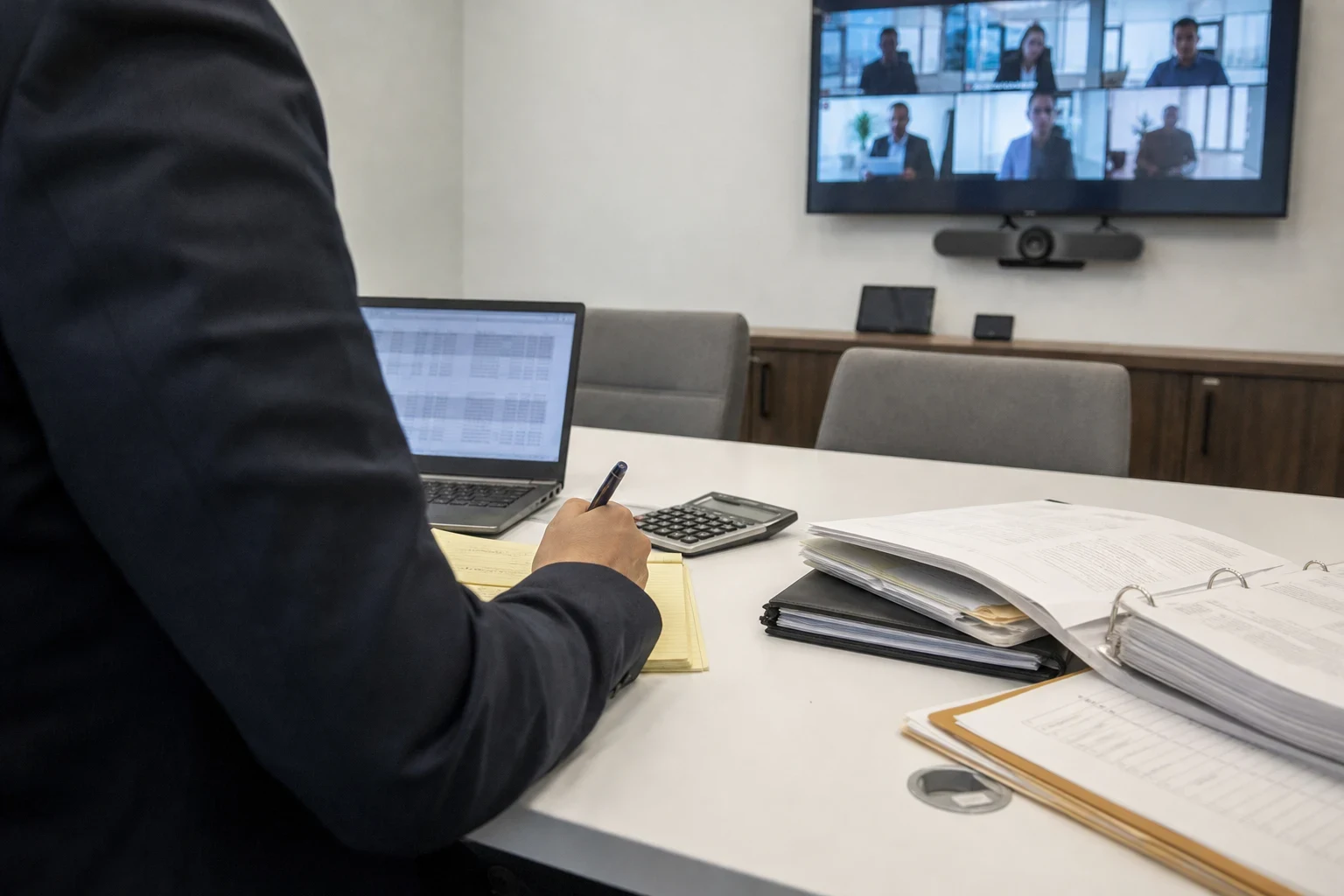
When you own the business and the building it operates from, selling them is two transactions that have to land as one. We value each, decide with you whether to sell or lease the property, and keep a photo record of what we find and do at every stage.
One sale, two assets, handled together
A business with its own real estate attracts a different buyer than a business on a lease. Some buyers want both. Others want the operation and would rather lease the building from you. A few lenders will only finance the deal if the property is included. Getting that decision right early shapes the price, the buyer pool and how long the sale takes.
We look at the operation and the property side by side. The business is valued on its earnings and records. The real estate is weighed on its own terms, with an appraisal where the deal calls for one. Then we show you, in writing, how the numbers change if you sell both, sell the business and keep the building as a landlord, or separate the two sales.
Throughout, we keep a visual record of the premises, the equipment and the documents we review, so you and your buyer are looking at the same facts. If you only own the operation, our sell a business page covers that path.
What the work includes
- 01
Separate values for business and property
We value the operation on its earnings and assets, then account for the real estate on its own. You see both figures and how they combine, rather than one number that hides where the value sits.
- 02
Sell-or-lease analysis
We lay out what a sale of the building means for your price and taxes against what a long-term lease to the buyer could pay you. Your accountant can review the same pages we do.
- 03
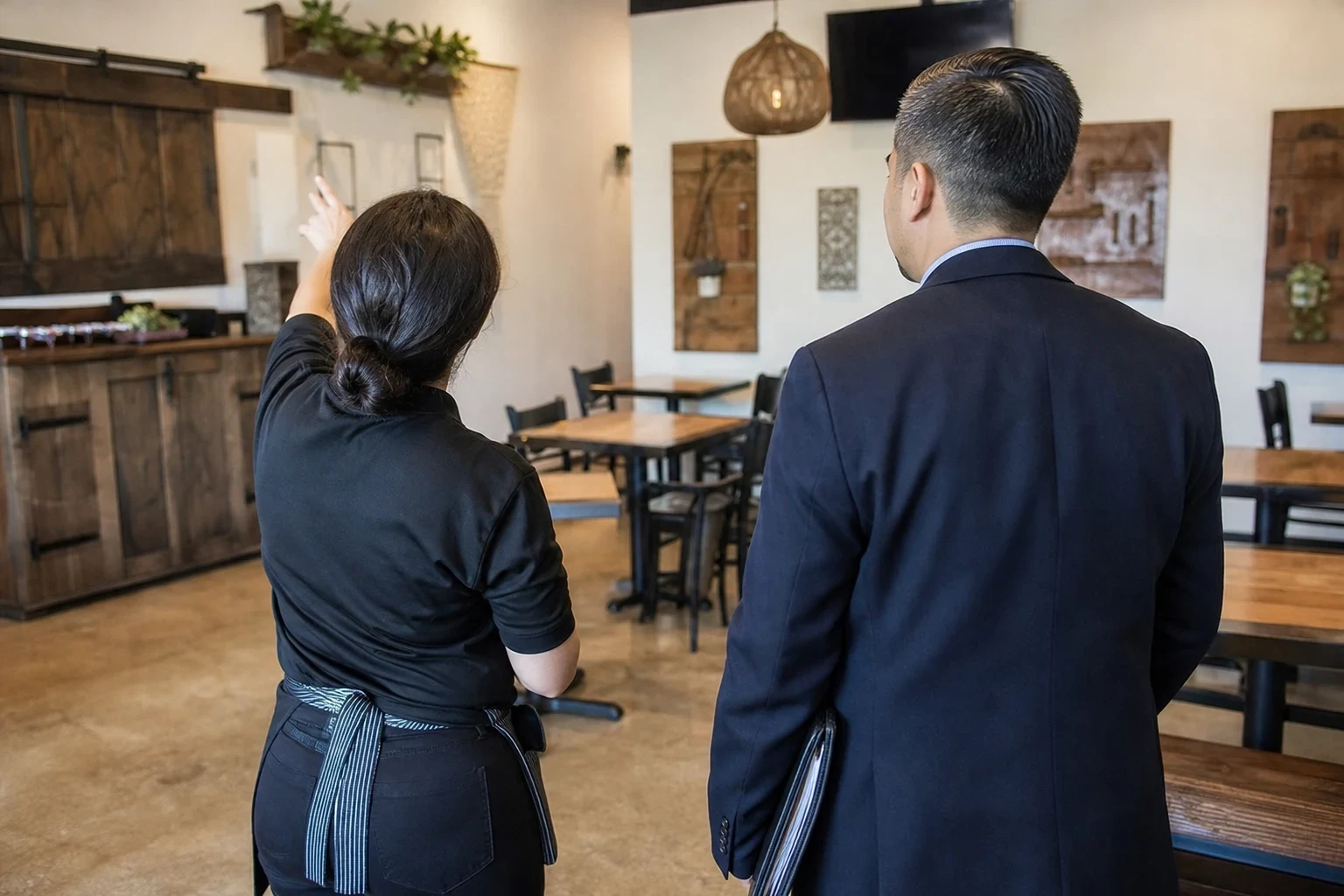
Photo-documented premises review
We walk the property and photograph the building, the equipment that conveys and anything a buyer's inspector is likely to raise. Finding a roof stain or an aging HVAC unit before a buyer does keeps it from becoming a late renegotiation.
- 04
Confidential marketing to qualified buyers
Your listing is described without naming the business until a buyer has signed a confidentiality agreement and shown they can fund a deal of this size. New listings go to registered buyers first.
- 05
Coordination through closing
We work alongside your attorney, accountant, the buyer's lender and the title company so the business transfer and the property closing happen on the same timeline.
Questions about Business and Property Sales?
Call(512) 881-7058Signs this is the right kind of sale
You own the building outright or nearly so
If the property is yours, it is part of the conversation whether you plan for it or not. Buyers will ask about it on the first call.
Buyers keep asking about the lease
When a business depends on its location, buyers want security of tenure. Selling the property, or offering a long lease, often answers that concern.
You want a clean exit, not a landlord role
Some owners would rather walk away entirely. Selling both assets together can make that possible in one closing.
The real estate carries much of the value
In a growing area like Liberty Hill, property can gain value faster than the operation on it. When that happens, how the two are packaged matters a great deal to your net result.
A lender has raised the question
Buyers using SBA or bank financing are sometimes required to include the real estate, or to secure a lease that runs the length of the loan.
How the sale moves forward
- 1
A confidential first conversation
We talk by phone or meet at our office about the business, the property and what you want afterward. Nothing is shared with anyone without your say.
- 2
Records and walk-through
We review financials, the deed, any existing leases and recent property costs, then walk the site. You receive a photo record of what we saw and notes on anything worth addressing before listing.
- 3
Valuation and structure
We present the business value, the property consideration and two or three ways to structure the sale. You choose the path; we explain the trade-offs plainly.
- 4
Marketing and buyer screening
We prepare a confidential profile, reach registered buyers and screen each inquiry for funding and fit before you meet anyone.
- 5
Due diligence and closing
We keep both transactions on one calendar, track inspection and appraisal findings in dated notes, and stay involved until the keys and the business change hands.
What shapes the cost and your net result
Listing with us costs you nothing at the start. We ask for no retainer, nothing is tucked away in the fine print, and our fee is earned only at closing, when you are paid. What does vary is the outside work a combined sale may need and how the transaction is put together.
- Whether the property sells or leases
- A full sale brings appraisal, title and survey work into the deal. A lease-back keeps those lighter but calls for a well-drafted lease.
- Reports a lender or buyer requires
- Commercial appraisals and environmental site assessments are common when financing is involved. Older sites or prior industrial use can widen their scope.
- Condition of records
- Clean, separated books for the business and the property shorten diligence. Mixed accounts take longer to untangle and can soften a buyer's confidence.
- Deal structure and timing
- Seller financing, earn-outs or staged closings change when you receive proceeds. Your tax advisor should weigh in on how the split between business and real estate is allocated.
Questions about selling a business with its property
Is it smarter to hold on to the property and become the buyer's landlord?
That turns on your goals and the building itself. Holding it can bring in steady rent after the sale, while letting it go gives you a cleaner exit and a larger payout at closing. We put both scenarios side by side on paper so you can compare them before you commit.
Will including the real estate shrink my pool of buyers?
It can, because the buyer needs more capital or financing. It can also attract buyers who specifically want to own their location. We test interest during marketing and can adjust the offering if the combined price is holding the sale back.
How do you keep the sale confidential when the building is so visible?
We never put signs on the property or list the address publicly. Buyers see a general description first, sign a confidentiality agreement, and only then learn the name and location. Site visits are scheduled around your hours so staff and customers are not tipped off.
Why do you photograph everything?
A shared record means you, the buyer and the lender are working from the same facts. It shows what was found at each step and what was done about it, which tends to reduce disputes late in diligence.
Do I need a separate valuation for the property?
Often a lender will require a commercial appraisal for the real estate. Our business valuation covers the operation, and we help you decide when an outside appraisal is worth ordering. The first valuation conversation is free and confidential.
See what your business and building are worth together
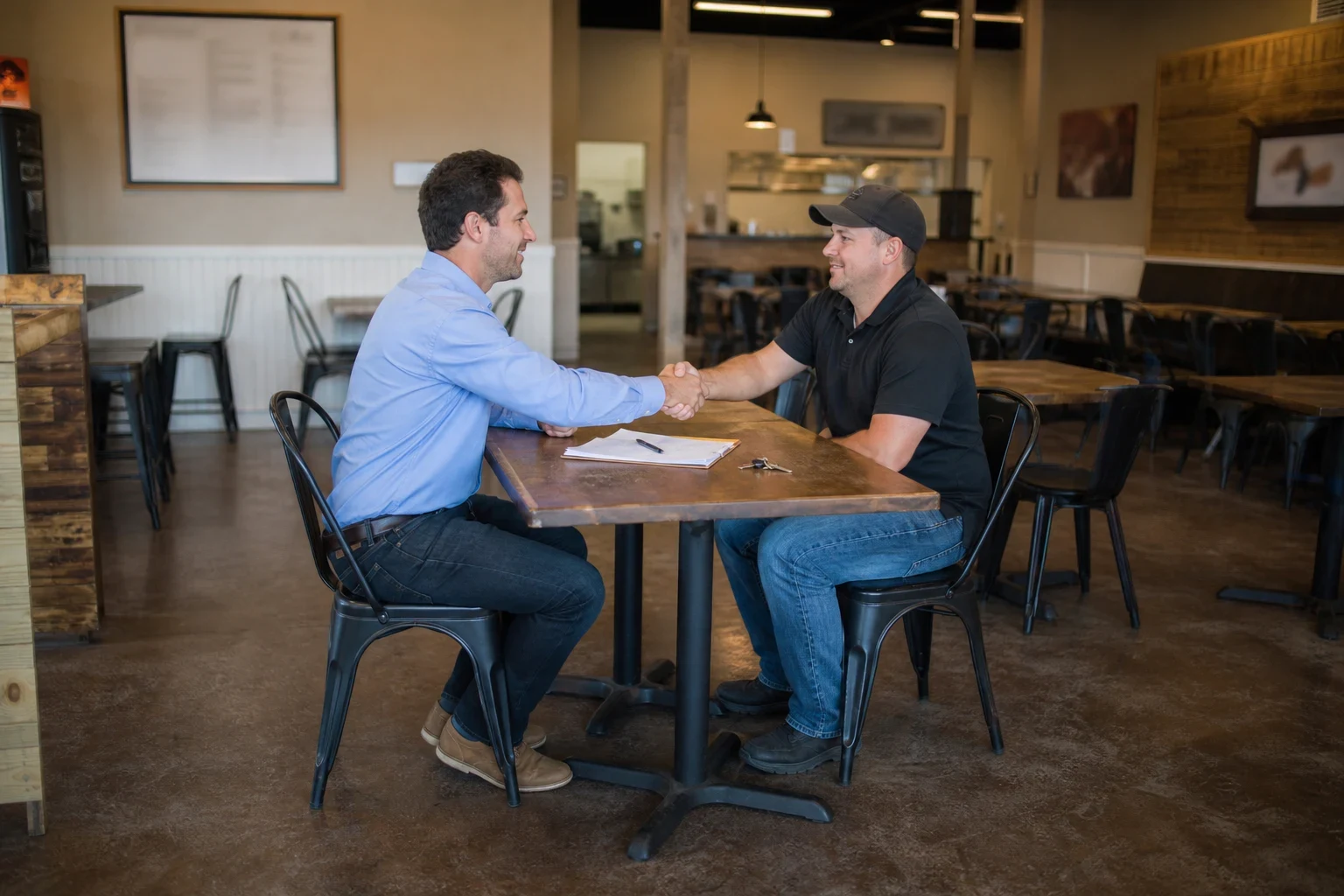
A short conversation by phone is enough to start. We will talk through the operation, the property and the options for selling them, with no cost and no obligation.